
Why Winter Is the Best Time to Plan Your Spring Pier or Bulkhead Project
Every spring, the same thing happens along the waterfront in Southern Maryland. The weather warms up, boats come out of storage, and homeowners decide this is the year they finally build the new pier, replace the failing bulkhead, or add a boat lift. Then they find out that permits take time, in-water work may be restricted for part of the spring, and marine contractors are already booked well into the season.
If you want to be using a new pier or enjoying a stable shoreline by summer, the time to start is now, not April. Here is why late fall and winter are the smartest months to plan a waterfront project in Calvert, St. Mary's, and Charles County, and what the planning process looks like with Ward's Marine.
1. Waterfront Permits Take Time
Almost any work in or over tidal water in Maryland requires approval before construction can begin. Depending on the project, that can involve the Maryland Department of the Environment (MDE), the U.S. Army Corps of Engineers, your county, and in some cases the Board of Public Works. Projects within Maryland's Chesapeake Bay Critical Area can have additional requirements on the land side as well.
Straightforward projects like a typical residential pier or a boat lift often move through the process more quickly, while larger bulkheads, revetments, living shorelines, or anything unusual may need more review. Either way, it is rarely a matter of days. Plans need to be drawn, applications prepared, adjacent property owners notified in some cases, and agencies need time to review.
Starting that process in November or December means your permit can be working its way through review while the weather is cold, so your project is ready to build when conditions improve instead of just getting started.
2. Spring In-Water Work Can Be Restricted
Many Southern Maryland waterfront owners are surprised to learn that spring is not always open season for in-water construction. To protect spawning fish and other aquatic life, state and federal permits for tidal waters often include time-of-year restrictions that limit activities like pile driving during parts of the spring. In many Chesapeake Bay tributaries, these windows commonly fall somewhere between late winter and early summer.
The exact restriction, if any, depends on your location and the species present, and it is spelled out in your permit. What it means in practice is simple: if you wait until spring to start planning, you may find that the earliest your in-water work can legally begin is summer. Planning in the winter gives us time to understand which restrictions apply to your site and schedule around them.
3. You Get Better Scheduling and More Attention
Marine construction in Southern Maryland is seasonal. Once the weather turns, calls for new piers, boat lifts, storm repairs, and shoreline work pick up quickly. Owners who plan ahead get on the schedule first.
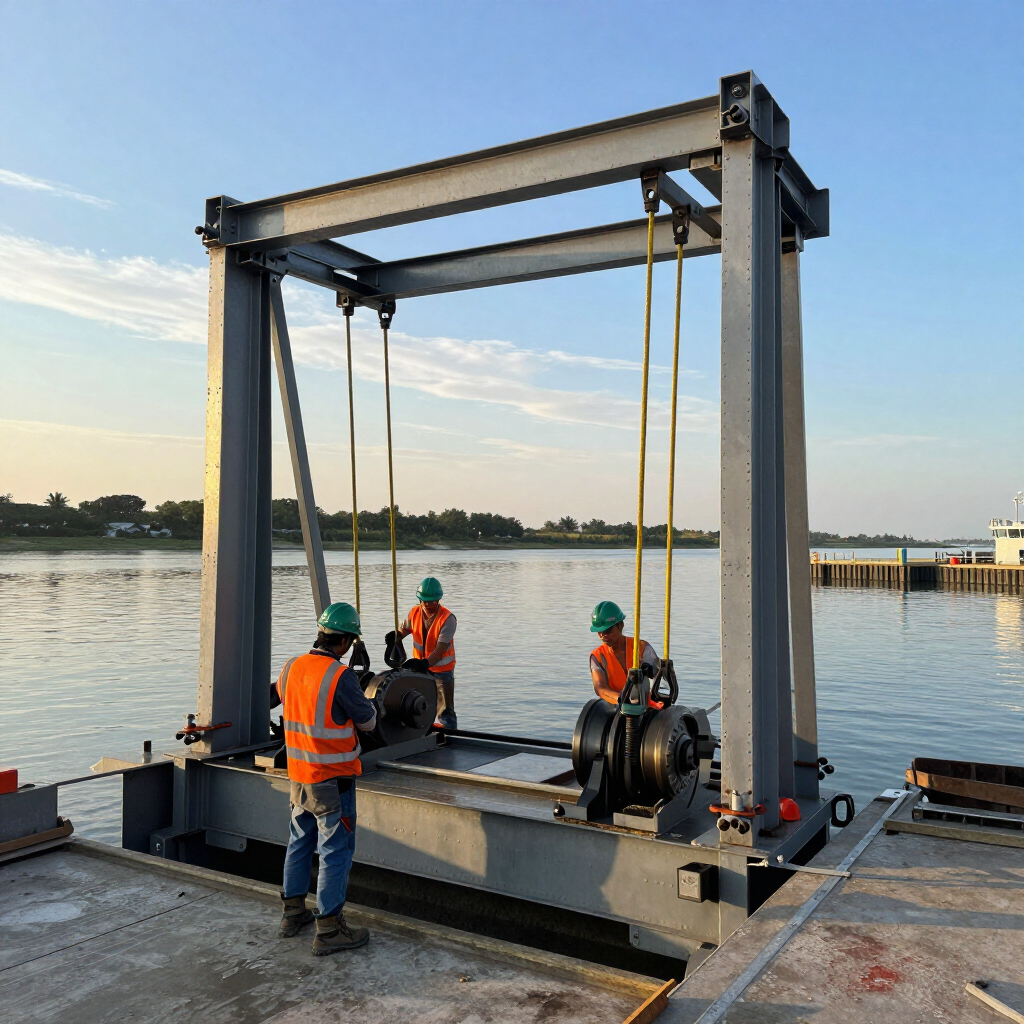
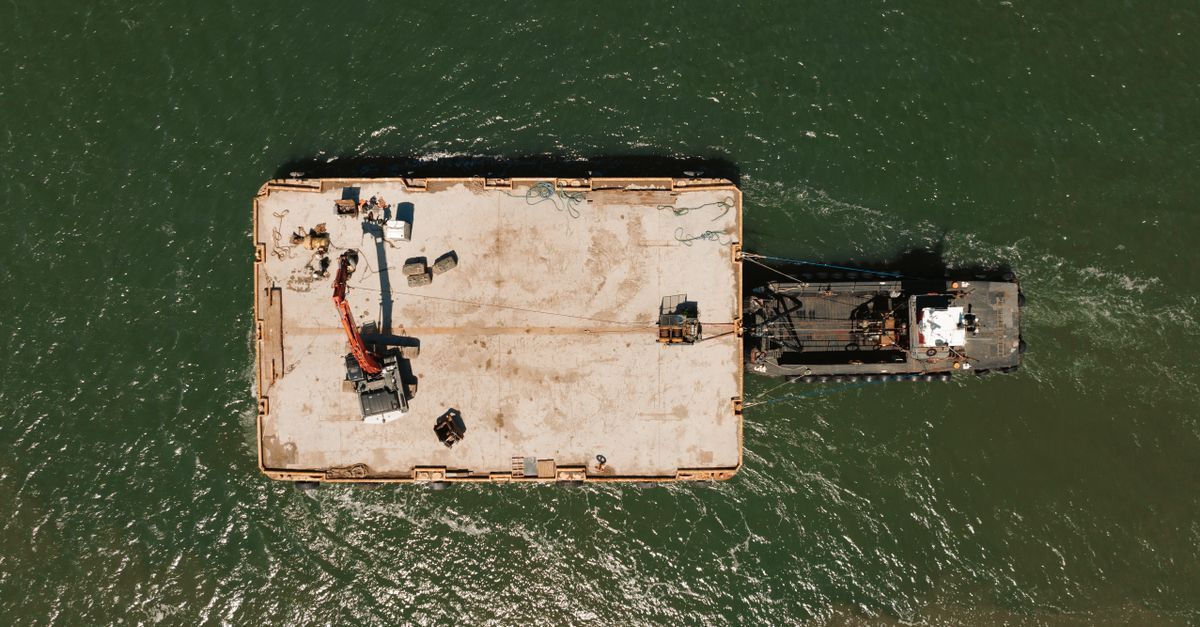
Winter planning also gives you more time to make good decisions. There is room to walk the site, talk through options, compare materials, and adjust the design without feeling rushed. Because Ward's Marine operates our own barge and pile-driving equipment, we can coordinate the construction schedule directly once your permits are in hand, rather than waiting on outside equipment.
4. Winter Shows You What Your Shoreline Really Needs
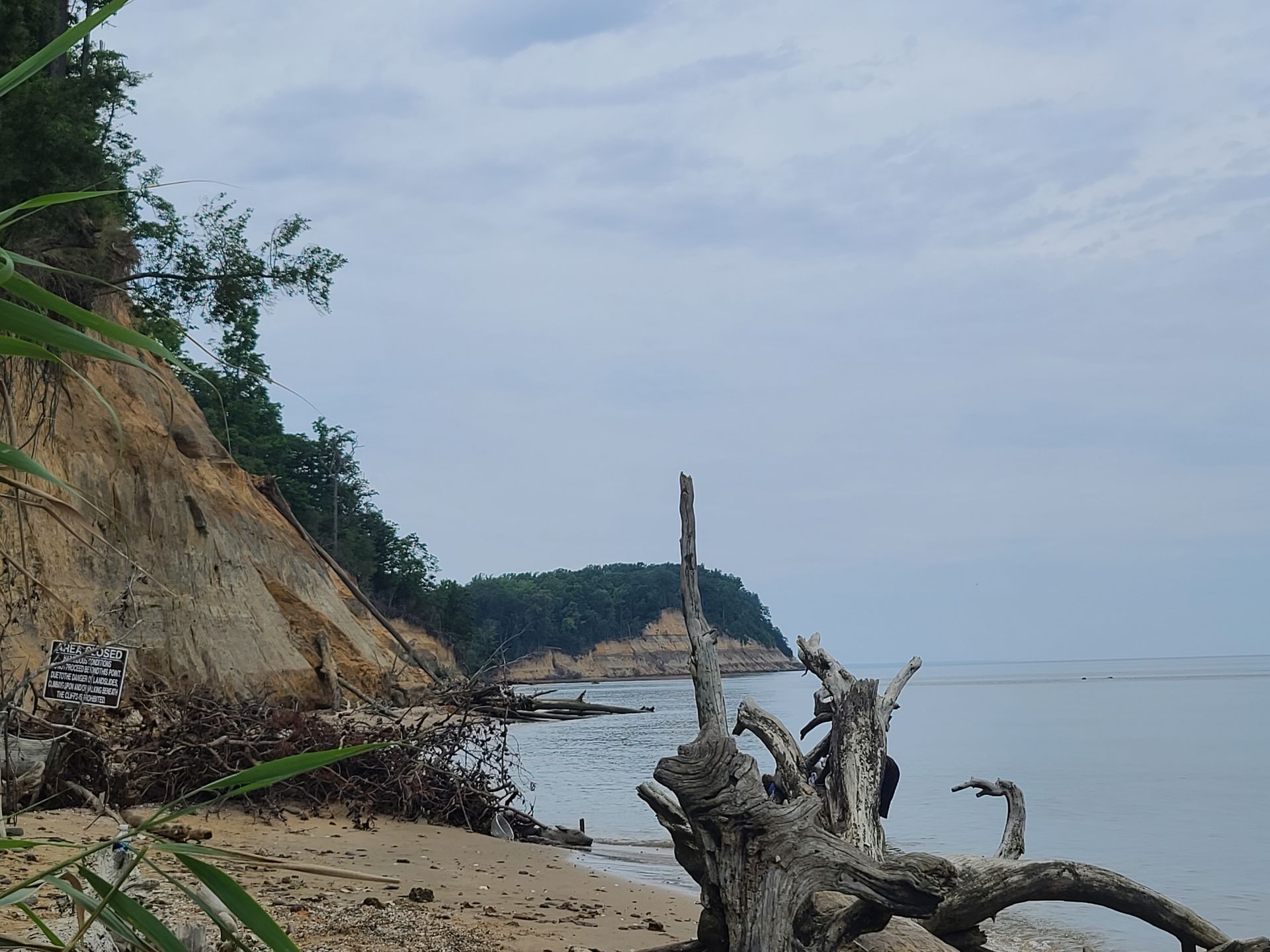
Fall and winter storms are a real-world test of your waterfront. A nor'easter will quickly reveal where your shoreline is eroding, where water tops your bulkhead, and which parts of your pier are loose or weak. Seeing those problems firsthand makes it easier to design the right solution.
For example, if storm tides are washing soil out behind an old bulkhead, it may be time to decide between replacing it or switching to a living shoreline or rip rap revetment. Our guide to living shorelines vs. bulkheads walks through the pros, cons, and costs of each. If your pier is showing its age, our article on pier reconstruction can help you decide whether to repair or rebuild.
5. What the Planning Process Looks Like
When you contact Ward's Marine over the winter, here is generally how a project moves forward:
- Site visit and consultation. We look at your shoreline, water depth, bottom conditions, existing structures, and how you want to use your waterfront.
- Design and recommendations. We recommend the right type of pier, lift, bulkhead, or shoreline protection for your site and budget, and explain the tradeoffs.
- Permitting. We help prepare and manage the permit applications so you are not left navigating the agencies on your own.
- Scheduling. Once permits are approved, we schedule your construction around any time-of-year restrictions and weather.
- Construction. Our crew and equipment build the project, and we walk you through the finished work.
If you are on the Potomac, our Potomac River pier guide covers some of the permitting details specific to that river. Patuxent River owners can find more in our Patuxent River marine construction guide.
Frequently Asked Questions
How long does it take to get a pier permit in Maryland?
It depends on the project. A typical residential pier or boat lift may be reviewed faster than a large bulkhead or shoreline stabilization project, but most waterfront permits take weeks to months. Starting in the winter helps make sure approval is in hand by spring.
Can marine construction be done in the spring in Southern Maryland?
Often yes, but many tidal-water permits include time-of-year restrictions that limit in-water work such as pile driving during parts of the spring to protect spawning fish. Your permit will specify any restrictions that apply to your site.
Do I need a permit to replace my bulkhead?
In most cases, yes. Replacing or building a bulkhead, revetment, or living shoreline in Maryland's tidal waters generally requires state and federal authorization. A marine contractor can help you determine what your project needs.
Is winter a good time to build a pier?
Some construction can take place in the colder months depending on weather and permit conditions, but winter is especially valuable for planning, design, and permitting so your project is ready to build as early as possible in the season.
Who builds piers and bulkheads in Calvert, St. Mary's, and Charles County?
Ward's Marine, based in Solomons, MD, designs, permits, and builds piers, boat lifts, bulkheads, living shorelines, and rip rap throughout Southern Maryland, using our own barge and pile-driving equipment.
Start Planning Your Waterfront Project Now
The homeowners who are fishing off a new pier on Memorial Day are usually the ones who called in December. Starting now gives your permit time to move, helps you work around spring restrictions, and gets you on the schedule before the rush.
Contact Ward's Marine to schedule a site visit and start planning your pier, boat lift, bulkhead, or shoreline project anywhere in Calvert, St. Mary's, or Charles County.