
Your Ultimate Guide to Marine Contractor Services Near You | Wards Marine Inc

Wards Marine Inc — wardsmarineinc.com

Your Ultimate Guide to
Marine Contractor
Services Near You

Whether you need a new pier, seawall repair, or a living shoreline, understanding how marine contracting works helps you protect your waterfront investment—and choose the right team the first time.

Piers & Docks Seawalls Rock Work Living Shorelines Permitting
Get a Free Estimate

Introduction to Marine Contractor Services

Owning waterfront property is a privilege—and a responsibility. Tides, storms, boat traffic, and natural erosion constantly test the structures that protect your shoreline and provide access to the water. A qualified marine contractor is the specialist you turn to when those structures need to be built, repaired, or restored.

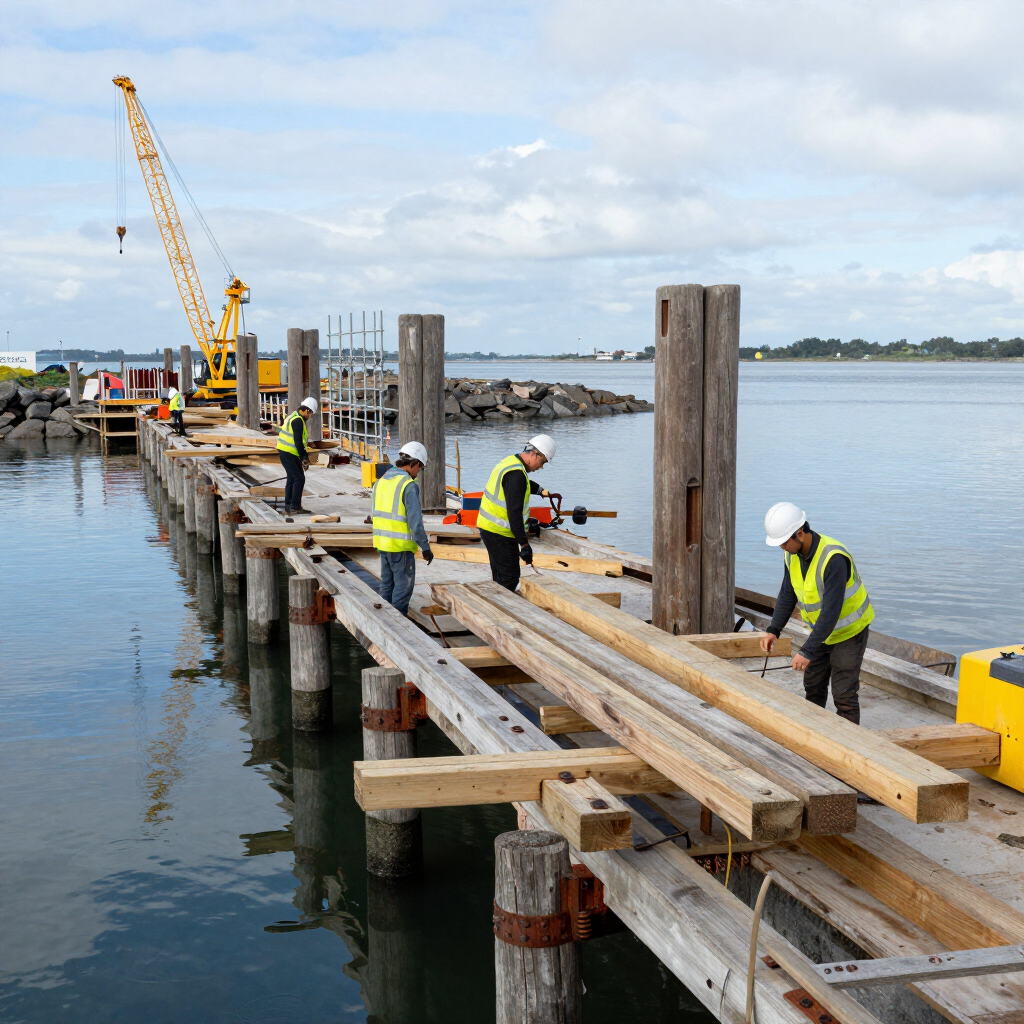
Marine contractors combine civil engineering knowledge, heavy-equipment operation, and a deep understanding of aquatic environments to complete projects that ordinary construction firms simply cannot handle. Their work takes place at the water's edge and below the surface: driving pilings through saturated soil, anchoring seawalls against hydrostatic pressure, placing boulders to dissipate wave energy, and navigating a complex web of state and federal environmental permits.

At Wards Marine Inc , we have delivered waterfront solutions across the region for years, working with homeowners, municipalities, marinas, and commercial property owners alike. This guide walks you through everything you need to know—from the types of projects we handle to how to budget wisely and hire with confidence.
Types of Marine Projects

No two waterfront properties are alike, and neither are the projects that protect and enhance them. Here is a look at the most common work that Wards Marine Inc and other reputable marine contractors perform.

🪵

Piers & Docks

Fixed or floating structures that extend over the water for boat access, fishing, and recreation. Material choices include treated timber, composite decking, aluminum, and concrete.

🧱

Seawalls & Bulkheads

Vertical retaining walls that hold back the land behind them and prevent erosion. Sheet pile, concrete, vinyl, and timber systems each suit different soil and wave conditions.

🪨

Rock & Riprap Work

Placed stone or concrete armor units absorb and deflect wave energy, protecting embankments without fully blocking water movement—often the most cost-effective shoreline solution.

🌿

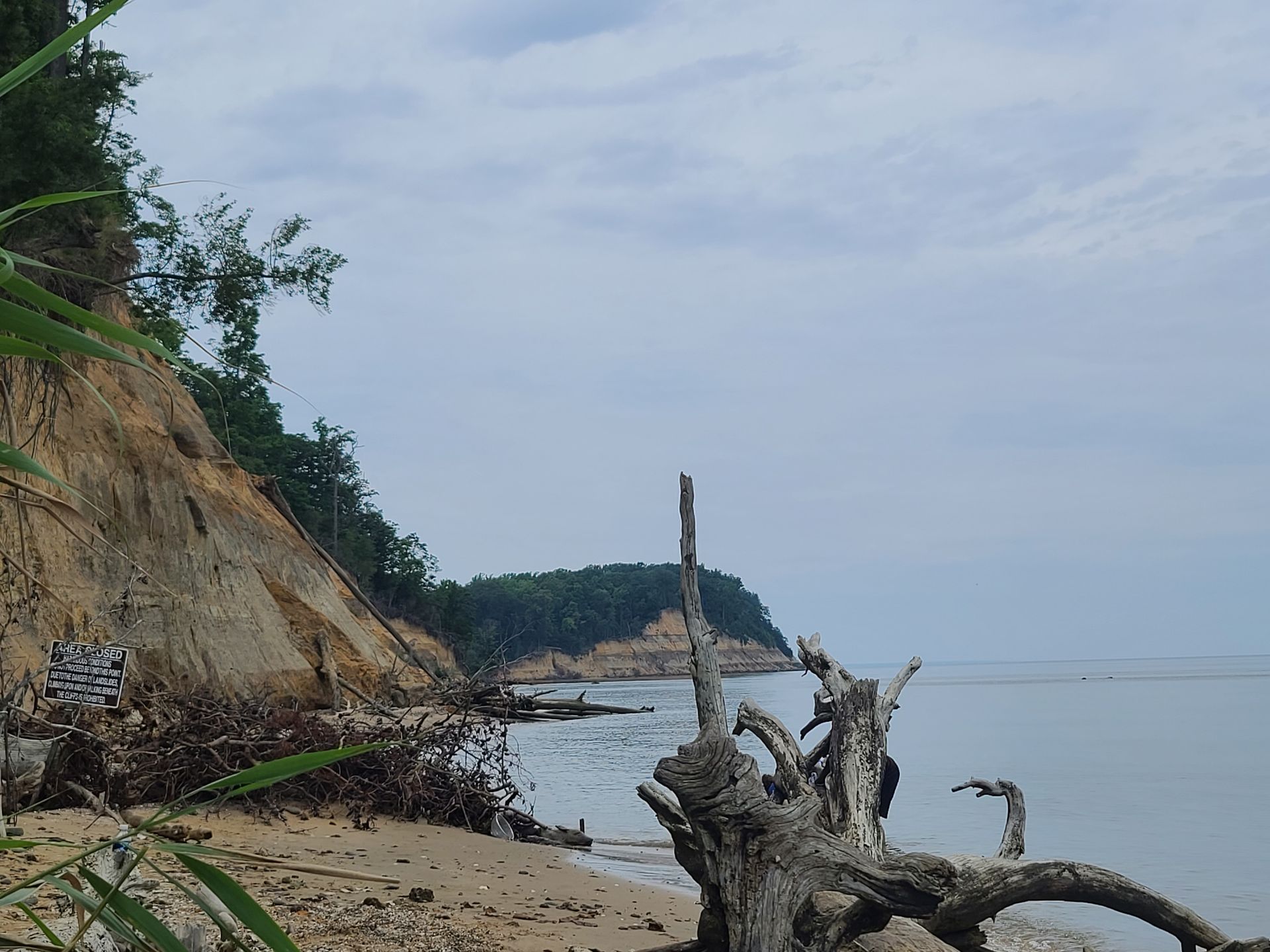
Living Shorelines

Hybrid approaches that combine natural materials like oyster reef substrate, native marsh plants, and biodegradable fiber logs to stabilize the shoreline while improving habitat.

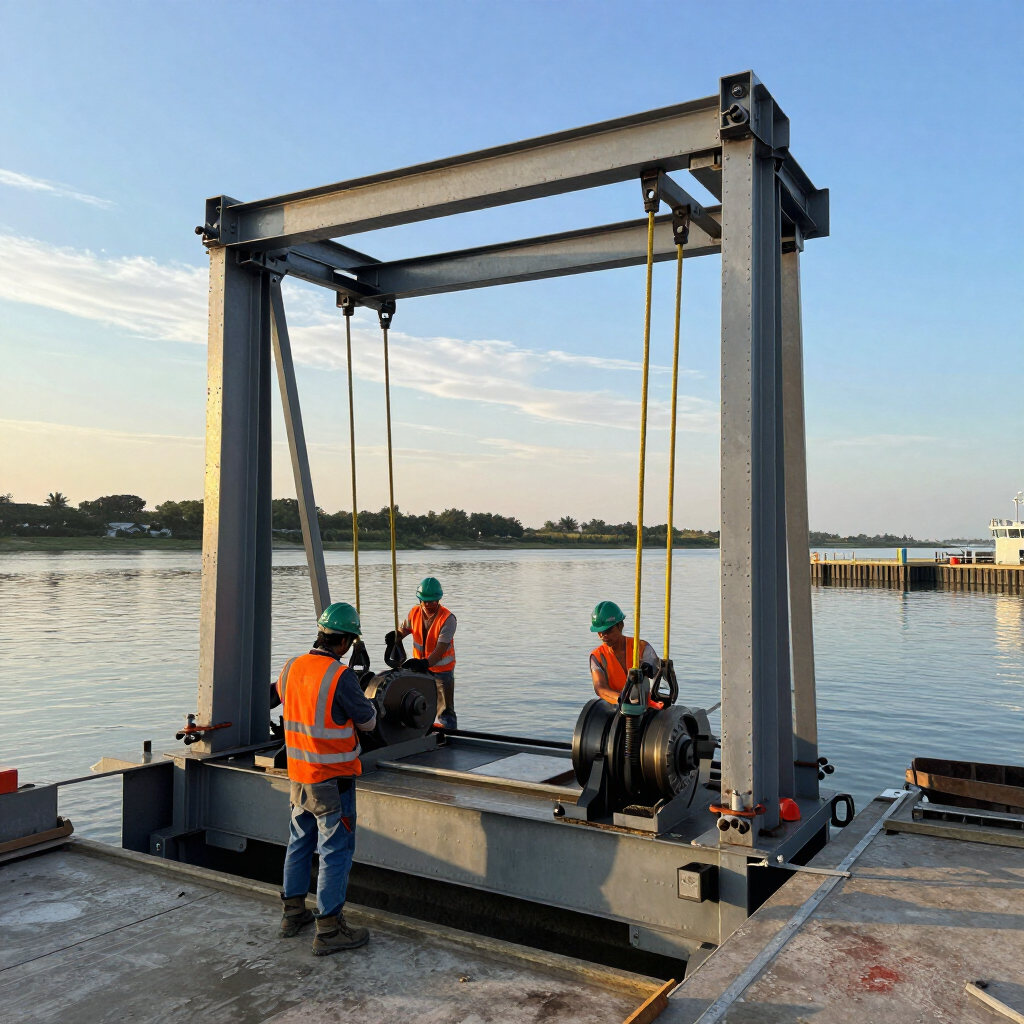
Barge & Boat Lifts

Floating work platforms allow contractors to reach deep-water sites and transport heavy equipment. Boat lifts protect vessels from tidal fluctuation and hull fouling.

🏗️

Pile Driving

Steel, timber, concrete, and composite pilings form the foundation for virtually every over-water structure. Proper sizing and spacing are critical to long-term performance.

Marine Electrical

Shore power pedestals, dock lighting, bilge pump wiring, and cathodic protection systems require licensed marine electricians familiar with NFPA 303 standards.

🔧

Repairs & Restoration

Storm damage, galvanic corrosion, marine borer attack, and simple wear-and-tear all require expert diagnosis and targeted repair to restore structural integrity.


Permitting and Regulations

Marine construction is among the most heavily regulated categories of building work in the United States. Because projects occur in or near navigable waters, wetlands, and sensitive aquatic habitats, multiple federal and state agencies maintain jurisdiction—and starting work without the proper authorizations can result in stop-work orders, significant fines, and costly restoration requirements.

Federal Permit Requirements

The U.S. Army Corps of Engineers (USACE) administers Section 404 of the Clean Water Act, which governs the discharge of fill material into waters of the United States, and Section 10 of the Rivers and Harbors Act, which covers work in navigable waterways. Most pier, seawall, and dredging projects require at minimum a Nationwide Permit (NWP)—a streamlined authorization for activities with minor impacts—and more significant projects may require an Individual Permit with a full public notice period.

State & Local Requirements

Every state has its own coastal or environmental management program. In many states, a Coastal Construction Control Line (CCCL) permit, Submerged Lands Authorization, or Riparian Rights determination must accompany the federal permit. Local governments may also require building permits, zoning variances, or stormwater management plans before work can begin.

Why Work With a Permitted Contractor

An experienced marine contractor like Wards Marine Inc understands which permits apply to your specific project and jurisdiction, prepares the required drawings and environmental impact statements, coordinates agency site visits, and ensures that work is performed in compliance with all conditions of approval. This protects your property value and keeps your project on schedule.


How to Choose the Right Marine Contractor

The quality of your marine contractor directly determines the lifespan of your investment. A dock built with undersized pilings, improper hardware, or incompatible wood species may look fine on the day of completion and fail catastrophically within five years. Here is how to separate the qualified specialists from the general contractors who handle marine work on the side.

  1. Verify Licensing and Insurance

    Confirm that the contractor holds a valid state contractor's license, marine contractor endorsement (where required), and carries both general liability and workers' compensation insurance. Ask for certificates—never take verbal assurances.

  2. Evaluate Marine-Specific Experience

    General construction experience does not transfer cleanly to marine environments. Ask how many waterfront projects the company has completed in the past three years, and request references from projects similar in scope and setting to yours.

  3. Check Permit Knowledge

    A qualified contractor should be able to identify which permits your project will require before you sign anything. Vague answers about permitting are a red flag.

  4. Review Portfolio and Local Reputation

    Look for completed projects near your area. Contractors who have worked in your specific waterway understand local tidal ranges, soil conditions, and regulatory nuances that out-of-area firms may not.

  5. Compare Written Proposals

    Obtain at least three written bids. Compare not just the bottom line but the material specifications, piling sizes and spacing, hardware grades, and warranty terms. The lowest bid frequently reflects lower-grade materials or fewer pilings.

  6. Assess Communication and Responsiveness

    Marine projects involve weather delays, permit timelines, and unexpected site conditions. A contractor who communicates proactively and keeps you informed throughout the process is invaluable.


Questions to Ask Before Hiring

Before signing a contract with any marine contractor, arm yourself with the right questions. The answers will reveal a great deal about the company's professionalism, expertise, and commitment to your project.

  • Are you licensed as a marine contractor in this state, and can I see your current license and insurance certificates?
  • Which specific permits will my project require, and will you handle the permit applications on my behalf?
  • What species or grade of timber do you use for pilings and decking, and why do you recommend it for this environment?
  • What hardware and fasteners will be used—hot-dipped galvanized, stainless steel, or other—and how do they perform in salt or brackish water?
  • How do you handle unforeseen site conditions such as hard substrate, buried debris, or unexpected depth?
  • What is the realistic project timeline, including permit approval, mobilization, and construction phases?
  • Who will be on-site managing the work day-to-day, and what is their background?
  • What warranty do you offer on workmanship, and what does it cover?
  • Can you provide contact information for three recent clients with similar projects?
  • What does my project site access look like, and do you have the equipment needed for this specific water depth and shoreline condition?

Cost and Budgeting Tips

Marine construction costs vary widely based on project type, materials, site accessibility, water depth, and local market conditions. The estimates below reflect typical ranges for moderate-complexity projects in the Southeast United States; your actual costs may differ. Use these figures as a starting framework, not a final budget.

Project Type Typical Scope Estimated Range
Residential Floating Dock 20′ × 8′, aluminum frame, composite decking $8,000 – $18,000
Fixed Timber Pier 60′ long, treated timber, handrails $18,000 – $45,000
Vinyl Sheet Pile Seawall 50 linear feet, cap, tiebacks $25,000 – $60,000
Riprap Revetment 80 linear feet, filter fabric, armor stone $15,000 – $35,000
Living Shoreline 100 linear feet, marsh planting, oyster substrate $10,000 – $30,000
Boat Lift Installation 10,000 lb capacity, four-post $6,000 – $14,000
Seawall Repair / Cap Replacement 50 linear feet existing wall $5,000 – $20,000

Budgeting Best Practices

Include a contingency. Build at least a 10–15% contingency into your budget for unforeseen site conditions, permit fees, and material price fluctuations. Marine projects regularly encounter surprises below the waterline.

Do not sacrifice material quality. Upgrading from standard galvanized hardware to hot-dipped or stainless-steel fasteners can add a modest cost but dramatically extend the service life of your structure, particularly in salt or brackish environments.

Understand permit costs. Application fees, environmental impact studies, and required mitigation (such as replanting marsh grass) can add $500 to several thousand dollars to your total project cost and should be factored in from the start.

Compare total cost of ownership. A pressure-treated timber dock may cost less upfront than a composite or aluminum alternative but require more maintenance and earlier replacement. Ask your contractor for a lifecycle cost comparison.


Case Studies & Examples

Real projects illustrate what thoughtful marine contracting can achieve. The following examples represent the breadth of work that a full-service firm like Wards Marine Inc undertakes.

Residential — Seawall Replacement

Crumbling Concrete Wall Transformed Into a 50-Year Structure

A homeowner on a tidal creek had lived with a cracked, leaning concrete seawall for years, watching soil migrate into the water with every storm. The existing wall was removed, the embankment regraded, and a new vinyl sheet pile system with a reinforced concrete cap and deadman tiebacks was installed over two weeks. The project required a Nationwide Permit from the Corps of Engineers and a state submerged lands authorization—both of which were secured before mobilization. The homeowner reclaimed roughly four feet of yard that had eroded over the previous decade.

Commercial — Marina Pier Extension

New Fixed Pier Adds 12 Covered Boat Slips to Regional Marina

A regional marina needed additional covered slip capacity without disrupting day-to-day operations. Working from a barge during low-traffic morning hours, the crew drove 60 concrete pilings to refusal in a dense sand substrate and framed a 200-foot T-head pier with pressure-treated timber decking and an aluminum roof structure. All electrical work met NFPA 303 marina standards. The project was completed on schedule despite a two-week weather delay, and all 12 slips were leased before the dock was officially open.

Environmental — Living Shoreline Restoration

Eroding Marsh Edge Stabilized With Native Plants and Oyster Substrate

A waterfront property abutting a protected estuary was losing marsh edge at an accelerating rate due to boat wake and storm events. Rather than a hard armoring solution—which regulators would not have permitted in this sensitive zone—a living shoreline was designed using biodegradable fiber logs as a wave break, oyster shell substrate to encourage reef formation, and plugs of native cordgrass to recolonize the eroded margin. Within one growing season, the cordgrass had spread naturally along the shoreline and measurable erosion had stopped.


Frequently Asked Questions

Here are the questions our customers ask most often before starting a waterfront project.

How long does a typical marine project take from start to finish?

Timeline depends heavily on permitting. For projects that qualify for a Nationwide Permit, the application-to-approval window is typically 30–60 days. Individual Permits can take 6–18 months. Once permits are in hand, most residential projects—a new dock, seawall replacement, or riprap installation—take 1–3 weeks of active construction, weather permitting.

Do I need a permit to repair an existing dock or seawall?

It depends on the scope. In-kind replacement of existing decking or hardware often falls under a maintenance exemption. However, expanding the footprint, replacing pilings, or changing materials generally requires a new permit. Your contractor should make this determination before work begins and obtain any required authorizations.

What is the best material for a dock in salt water?

For decking, composite lumber or tropical hardwoods like Ipe perform exceptionally well in salt environments and require minimal maintenance. For structural members, concrete pilings are the longest-lasting option in saltwater, with a service life of 50+ years when properly mixed and finished. Composite and fiberglass pilings are a durable mid-range alternative. Hot-dipped galvanized or Type 316 stainless steel hardware is essential; standard galvanized will fail rapidly in salt spray.

Can I build a dock if I have a wetlands buffer on my property?

Possibly, but it is more complex. Many jurisdictions allow piers to cross wetland buffer zones because the structure is elevated and does not fill or damage the wetland. However, the permit application will need to demonstrate minimal impact, and mitigation such as off-site wetland enhancement may be required. An experienced marine contractor can advise whether your specific situation is feasible before you invest in design work.

How do I know if my seawall needs to be replaced or just repaired?

Signs that suggest repair may be sufficient include isolated cracks, minor spalling on a concrete cap, or a few corroded hardware pieces. Signs that indicate replacement is more cost-effective include bowing or leaning of the wall face, soil voiding behind the wall, widespread cracking along weep holes, and evidence of undermining at the toe. A site assessment by a qualified marine contractor will give you a clear picture—Wards Marine Inc offers evaluations to help homeowners understand their options before committing to a scope of work.

Is marine construction covered by homeowners insurance?

Standard homeowners policies often exclude or strictly limit coverage for docks, seawalls, and other over-water structures. Some policies offer a scheduled structure endorsement that can cover a dock at a defined value. Damage from flooding is typically excluded from standard policies and requires separate flood insurance. Review your policy language and speak with your insurance agent before and after completing any marine project so coverage can be updated appropriately.

What is a living shoreline, and is it right for my property?

A living shoreline is a nature-based approach to stabilizing eroding shorelines using a combination of natural materials—plants, shells, logs, and stone—rather than a hard structure like a seawall. Living shorelines are typically most effective on low-energy shorelines with gentle wave action, and they provide significant habitat and water quality benefits in addition to erosion control. They are not appropriate for every site—high-energy exposed shores with severe erosion usually require harder solutions—but where conditions allow, they are often permittable more easily than structural alternatives in sensitive habitats.


Ready to Start Your Waterfront Project?

The best marine contractor relationships begin with a conversation. Wards Marine Inc brings deep regional experience, a full permit management service, and a commitment to workmanship that outlasts the warranty. Contact us today for a no-obligation site evaluation and estimate.

Request Your Free Estimate →

Contact Us / Request A Quote