
Understanding Pilings in Southern MD: The Backbone of Piers and Bulkheads
Introduction:
Piers and bulkheads are essential structures in waterfront areas, providing stability, accessibility, and protection against natural elements. Behind the scenes, pilings play a crucial role in supporting and securing these structures. In this article, we will delve into the world of pilings and explore their significance in the construction and functionality of piers and bulkheads.
What are Pilings?
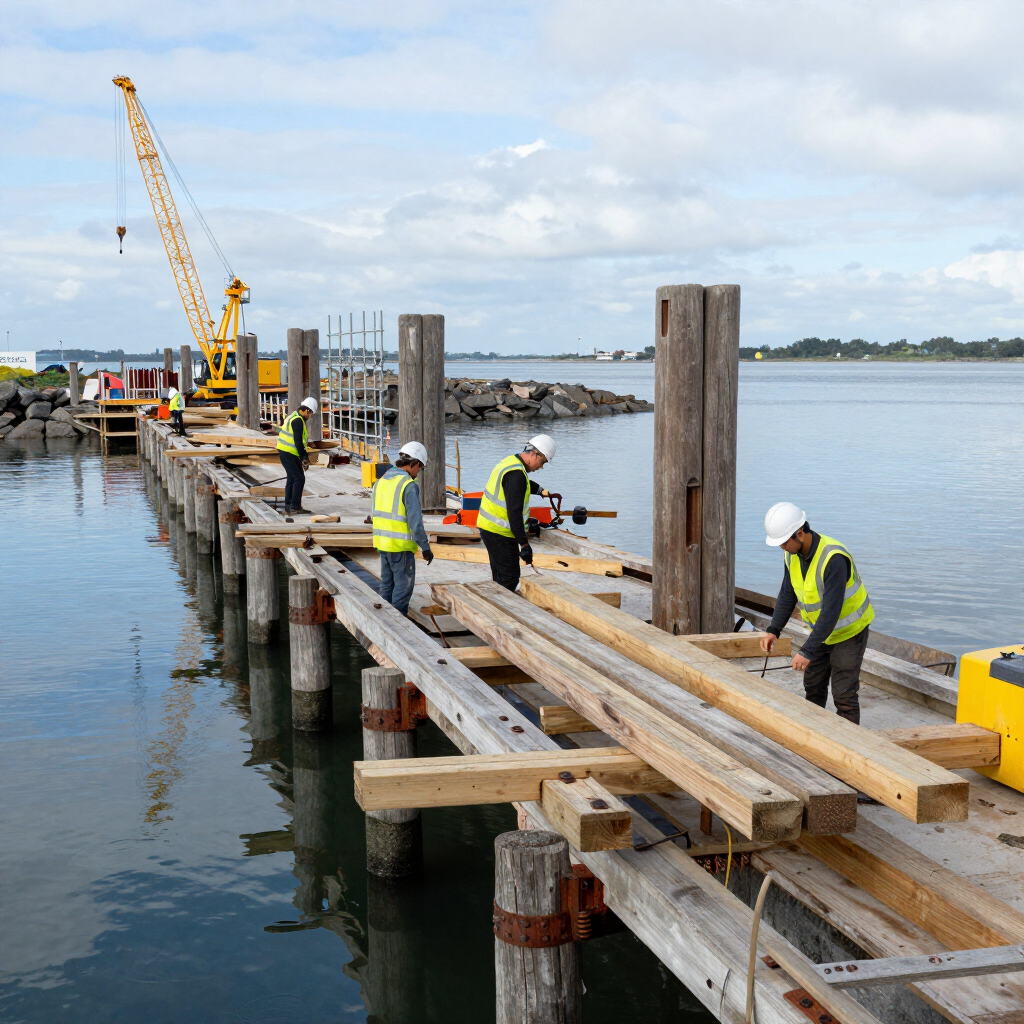
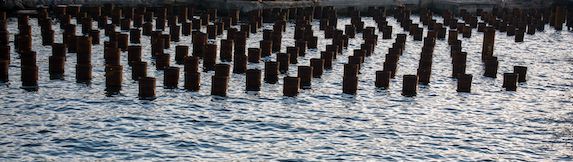
Pilings, in the context of waterfront structures, are long, sturdy columns made from various materials such as wood, concrete, or steel. These cylindrical supports are driven deep into the ground beneath the water, providing a solid foundation for piers and bulkheads. Pilings can be driven vertically or at an angle, depending on the specific requirements of the structure and the soil conditions.
Types of Pilings:
Wood Pilings: Traditionally, wood pilings were commonly used due to their availability, affordability, and ease of installation. Treated wood pilings, such as pressure-treated timber or creosote-treated wood, are resistant to rot, decay, and marine borers, making them suitable for submersion in water for extended periods.
Concrete Pilings: Concrete pilings offer excellent durability and strength. They are made by pouring concrete into a cylindrical form and then driven into the ground. These pilings can withstand harsh marine environments, resist erosion, and provide a long-lasting foundation for piers and bulkheads.
Steel Pilings: Steel pilings are known for their exceptional strength and load-bearing capacity. They are often used in areas where high resistance to lateral forces and heavy loads is required. Steel pilings are resistant to corrosion and can be driven deep into the ground, making them suitable for both marine and terrestrial applications.
The Role of Pilings:
Structural Support: The primary function of pilings is to support the weight of piers and bulkheads. By transferring the load from these structures into the ground, pilings ensure stability and prevent sagging or collapsing.
Stability and Resistance: Pilings provide stability to piers and bulkheads by anchoring them securely into the ground. They resist lateral forces, such as waves, currents, and wind, ensuring that the structures remain upright and intact even during adverse weather conditions.
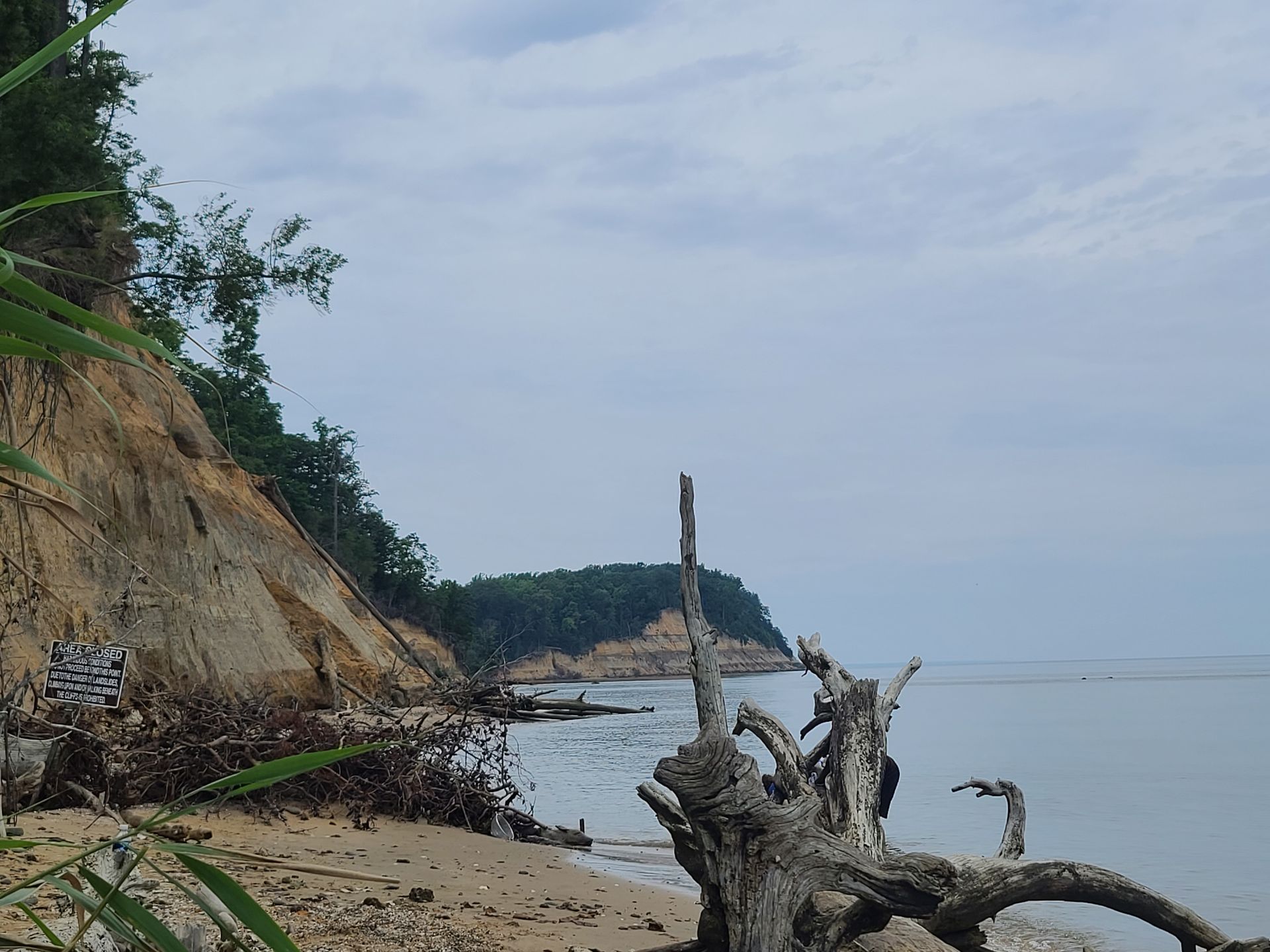
Protection against Erosion: Pilings help minimize erosion by preventing the movement of soil and sediment beneath the piers and bulkheads. They create a barrier that reduces the impact of water currents and waves, protecting the shoreline and adjacent land.
Accessibility and Safety: Pilings serve as guides for boats and vessels, marking navigation channels and providing mooring points. They also support the installation of gangways, ramps, and ladders, facilitating safe and easy access to piers and bulkheads.
Conclusion:
Pilings are the unsung heroes of piers and bulkheads, providing the necessary support, stability, and protection to these waterfront structures. Whether made of wood, concrete, or steel, pilings play a vital role in ensuring the longevity and functionality of these essential features. By understanding the importance of pilings, we can appreciate the engineering marvels that enable us to enjoy and access waterfront areas with safety and confidence.
For All of your marine construction needs contact
Wards Marine, SolomonsMD
Read more about pile installations.
Learn more about the significance of pile installation in marine construction.
How a piling supports a structure
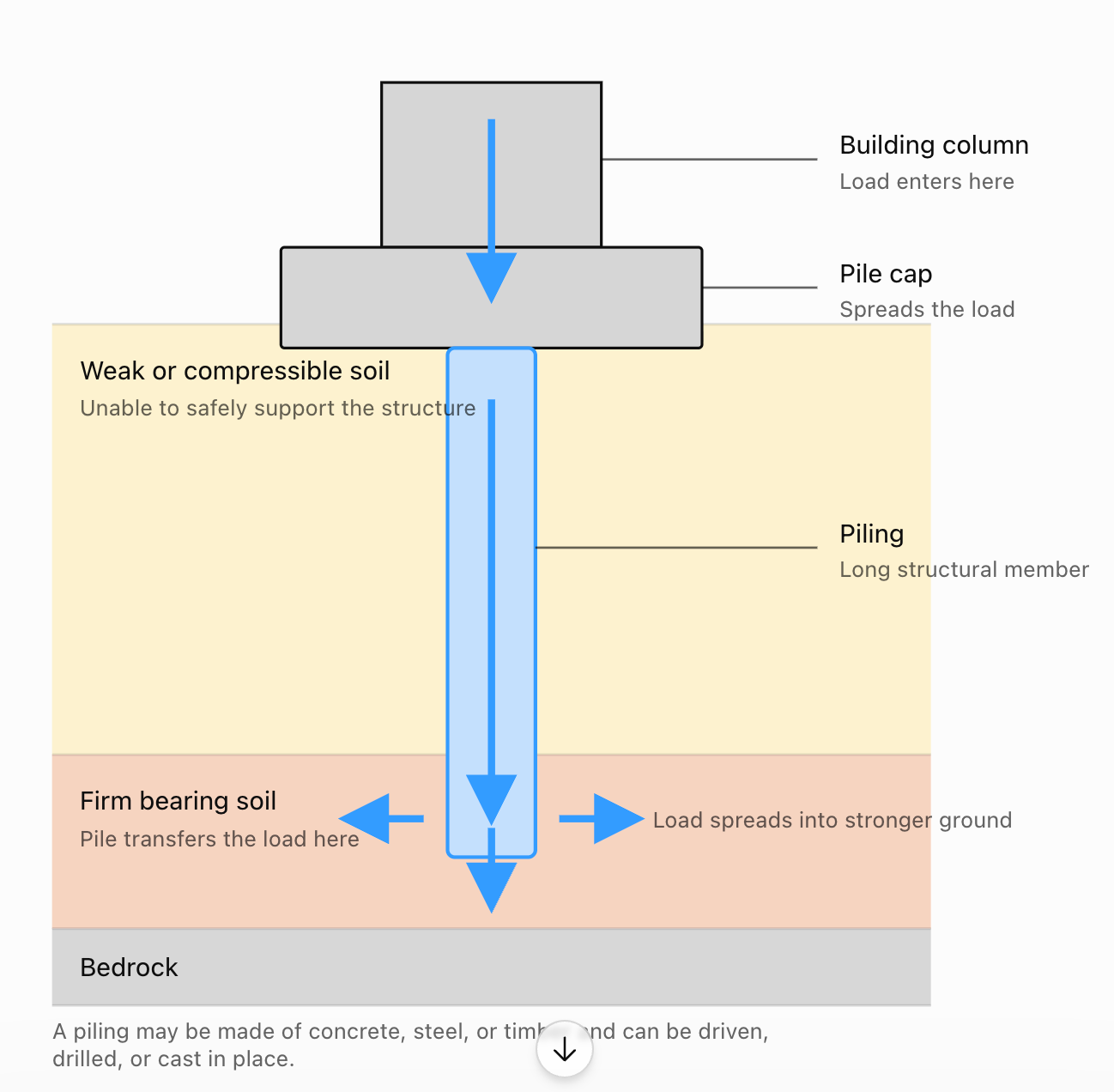
A piling is a long structural support driven or formed deep underground to transfer a building’s weight through weak soil into stronger soil or bedrock.
FAQ for
/pilings-piers-bulkheads
What are pilings?
Pilings are long, slender columns — typically made of timber, steel, concrete, or vinyl — that are driven deep into the seabed or riverbed to provide a stable foundation for docks, piers, bulkheads, and other waterfront structures. Because Chesapeake Bay shorelines and riverbanks often have soft, shifting soil, pilings are driven down to a load-bearing depth to keep structures secure even as water levels and currents change. For a closer look at how pilings function as a foundation system, see our guide on foundation pilings and marine piling.
How deep are pilings driven into the ground?
Depth depends on soil composition, water depth, and the load the structure needs to support. In Southern Maryland waterways, pilings are commonly driven anywhere from 10 to 30+ feet until they reach stable, load-bearing soil or bedrock.
What are pilings made of?
The most common materials are pressure-treated timber, steel (H-piles or pipe piles), precast concrete, and vinyl/composite. Each has different strengths depending on water salinity, marine borer exposure, budget, and the intended structure — Ward's Marine can help you choose the right material for your site.
Do pilings and pier posts mean the same thing?
Not quite. All pier posts are technically pilings, but "pilings" also includes structural supports for bulkheads, boat lifts, and boathouses — not just piers. Pilings are the broader foundation category; piers are one of the structures they support.
How long do marine pilings last?
With proper material selection and installation, pilings on the Chesapeake Bay typically last 20–40+ years, though timber pilings in high marine-borer areas may need earlier inspection or replacement.
Why does piling installation matter for waterfront property owners?
Improperly installed or undersized pilings can shift, lean, or fail — putting your entire pier, bulkhead, or boathouse at risk. Professional installation ensures pilings are driven to proper depth and spacing for long-term stability.