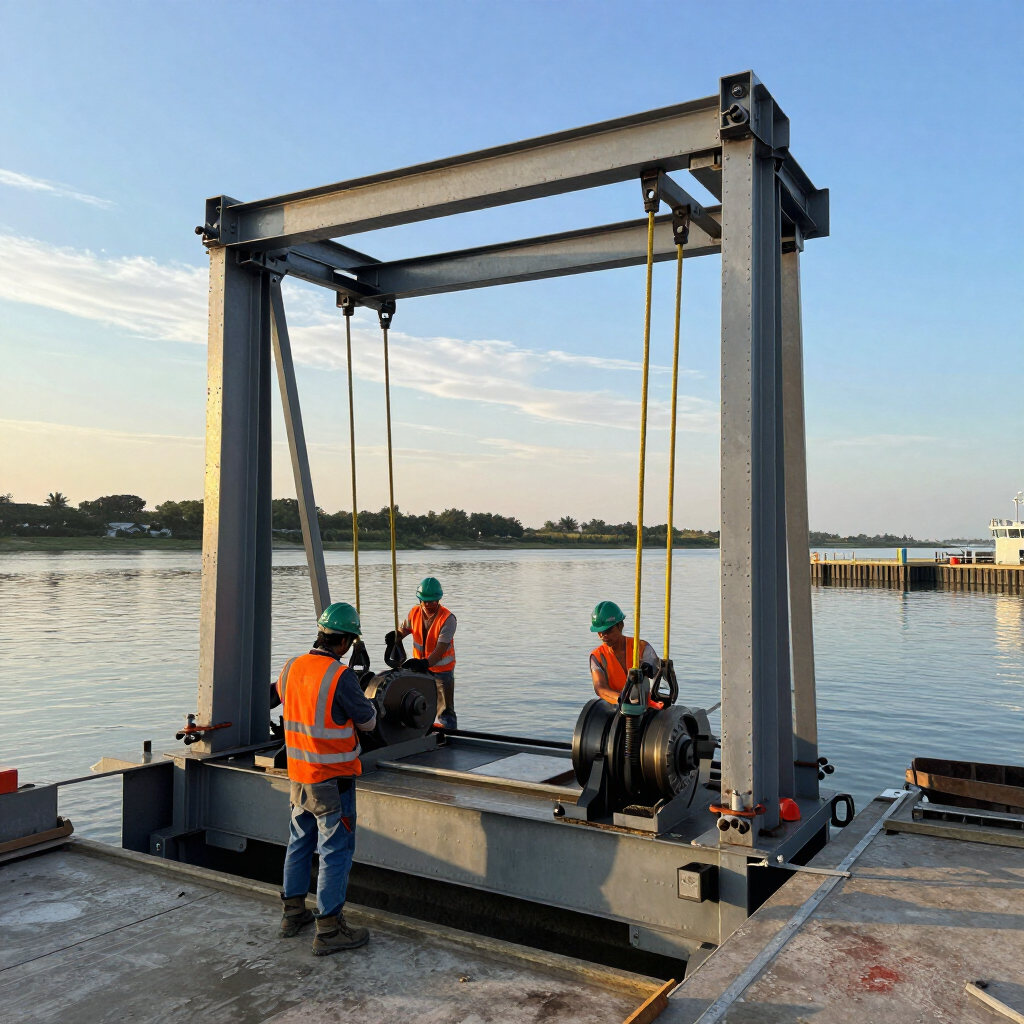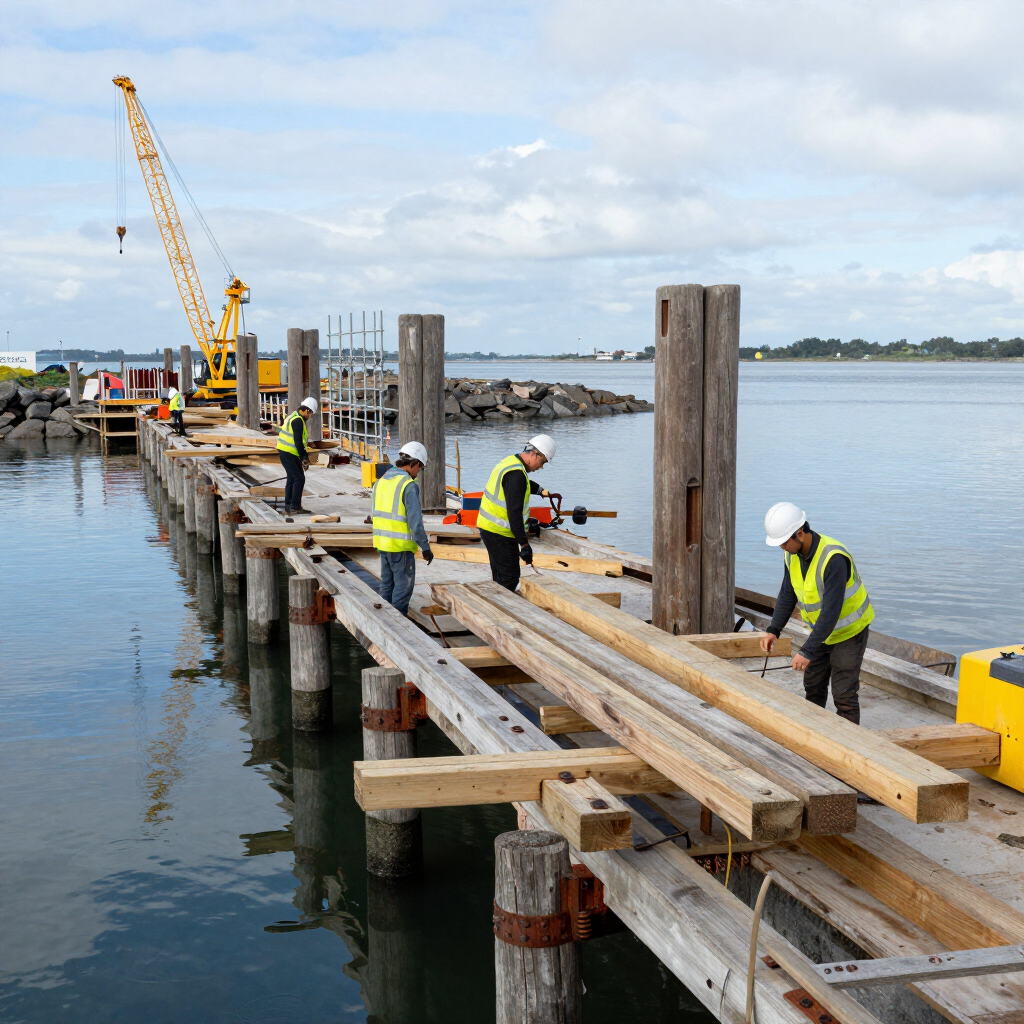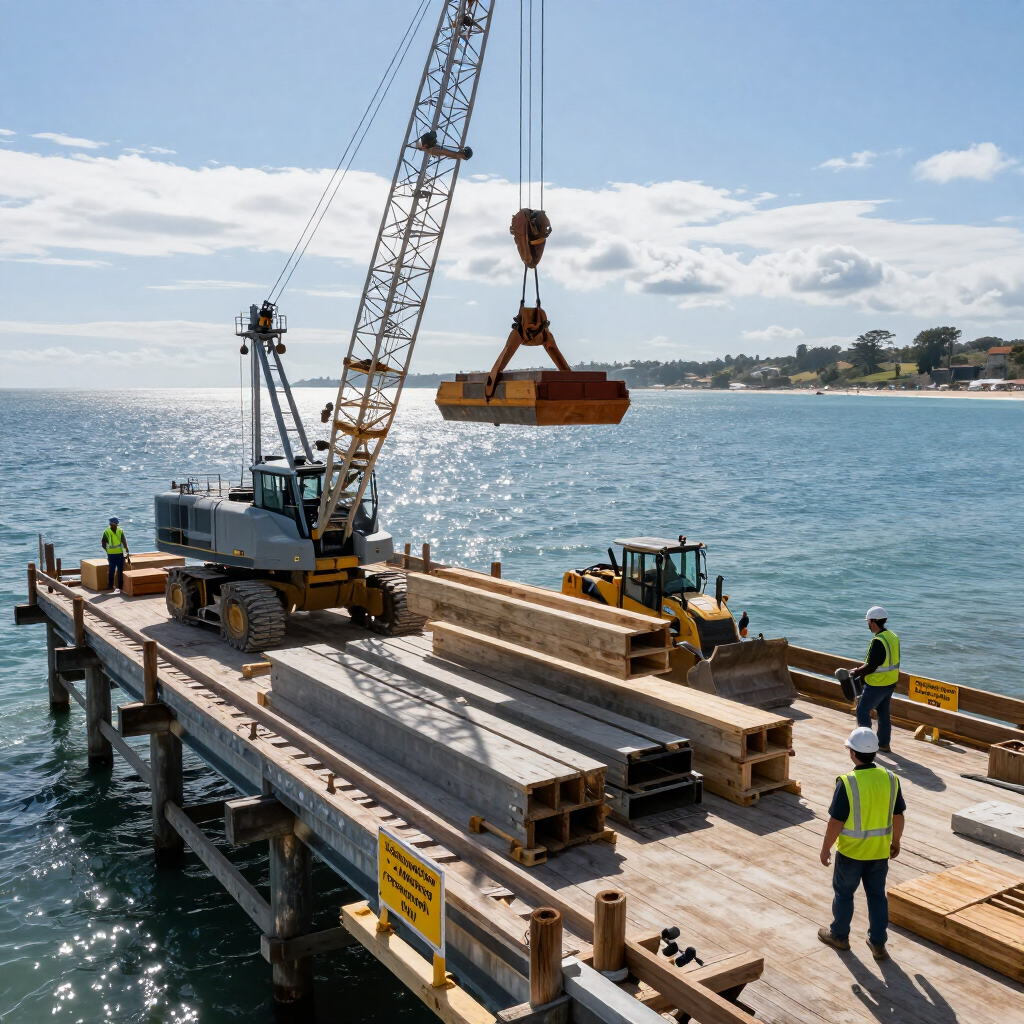

Marine Construction on the Patuxent River

Marine Construction on the Patuxent River: What Waterfront Owners Need to Know
The Patuxent River has always been Ward's Marine's home water. It's where our family has worked, boated, and built for generations, and it's still the river we're on most often today. If you own waterfront property anywhere from Solomons up through Broomes Island, St. Leonard Creek, or the tributaries feeding into Battle Creek, the river's conditions shape almost every decision in a marine construction project — from how deep your pilings need to go to when permits will actually get approved.
Why the Patuxent Is a Different Build Than Other Southern Maryland Waterways
Every waterway in Southern Maryland has its own personality, and the Patuxent is no exception. Much of the river bottom is soft mud and silt, especially in the creeks and coves, which changes how pilings behave compared to the sandier stretches of the Potomac or the more open, wave-exposed sections of the Chesapeake Bay. Soft bottom means pilings often need to be driven deeper or in different configurations to get the holding power a dock, boathouse, or bulkhead depends on for the long term.
Tidal range and current also vary noticeably as you move up or down the river. A pier design that works fine near the river's mouth at Solomons can be undersized for wave action in a more exposed reach, while a design built for open water can be overbuilt — and overpriced — for a sheltered creek. Getting this right is part engineering and part local knowledge, which is why decades of hands-on Patuxent experience matters more here than a generic pier template.
Common Marine Construction Projects We See on the Patuxent
Piers & Docks
Custom pier and dock construction is our most requested Patuxent project, from small crabbing docks in the tidal creeks to larger permitted structures built to handle deeper water off the main stem.
Bulkheads & Rip Rap
Where erosion has taken a bite out of the shoreline, we design bulkheads and rip rap installations sized to the wave energy of that specific stretch of river.
Living Shorelines
In quieter tributaries, a living shoreline can stabilize the bank while preserving marsh grasses and habitat — a solution the Patuxent's protected coves are especially well suited to.
Boat Lifts & Boathouses
Because the Patuxent's tidal swing and bottom conditions vary by location, boat lift and boathouse installations are sized and positioned around the specific water depth at your property.
Permitting on the Patuxent
Almost every marine construction project on the Patuxent touches multiple layers of approval — county critical area regulations, Maryland Department of the Environment review, and in many cases Army Corps of Engineers sign-off, especially for anything affecting wetlands or submerged aquatic vegetation. The river's shoreline runs through Calvert, St. Mary's, and Charles counties, and each jurisdiction has its own submission process layered on top of the state requirements. We handle the full permitting process for our clients, so you're not the one chasing down agencies or decoding requirements while your project sits on hold.
Working Around the River's Seasons
The Patuxent is also home to some sensitive breeding and spawning seasons, which can restrict in-water work during certain windows of the year. We build our project schedules around these restrictions from the start, rather than discovering a conflict mid-project. Planning ahead — especially for permitting timelines that can run several months — is one of the biggest factors in whether a Patuxent River project stays on schedule.
Why Local Experience Matters
Ward's Marine has been building on the Patuxent for over 40 years, and it's still the river the majority of our projects come from. That means we already know how the bottom behaves off Solomons versus up in St. Leonard Creek, which permitting offices to expect delays from, and what pier design actually holds up through a Patuxent winter. Ward's Marine, Inc. is a licensed MD Marine Contractor (MMCL# 017) and holds MHIC #127901, with full liability and workman's compensation coverage on every crew we send out.
Ready to Talk About Your Patuxent River Project?
Whether you're planning a new pier, repairing storm damage, or looking at a living shoreline for a quiet Patuxent cove, we'd be glad to take a look at your property and walk you through what's involved. Free estimates, straightforward permitting help, and 40 years of experience on this exact river.
Patuxent River Marine Construction FAQs
Do you work on all parts of the Patuxent River, or just near Solomons?
We work the full length of the river our clients own property on, from the mouth at Solomons up through tributaries like St. Leonard Creek, Broomes Island, and Battle Creek. Most of our project history is on the Patuxent, so we're familiar with conditions well beyond the main stem.
Why does the Patuxent's soft bottom matter for my pier or dock?
Soft mud and silt hold pilings differently than sand or harder bottom. Pilings often need to be driven deeper or spaced differently to get proper holding power, which is why a design that works on the Potomac or open Bay isn't always right for a Patuxent creek.
What permits do I need for a marine construction project on the Patuxent?
Most projects require county critical area approval, Maryland Department of the Environment review, and sometimes Army Corps of Engineers sign-off if wetlands or submerged vegetation are affected. Since the river runs through Calvert, St. Mary's, and Charles counties, requirements can vary depending on where your property sits. We handle this full process for you.
How long does permitting take for a Patuxent River project?
Timelines vary by county and project scope, but it's common for permitting to take several months. We build this into your project schedule from the start so there are no surprises once work is ready to begin.
Are there times of year you can't do in-water work on the Patuxent?
Yes. Certain breeding and spawning seasons restrict in-water construction. We schedule around these windows as part of standard planning, so your project timeline already accounts for them.