
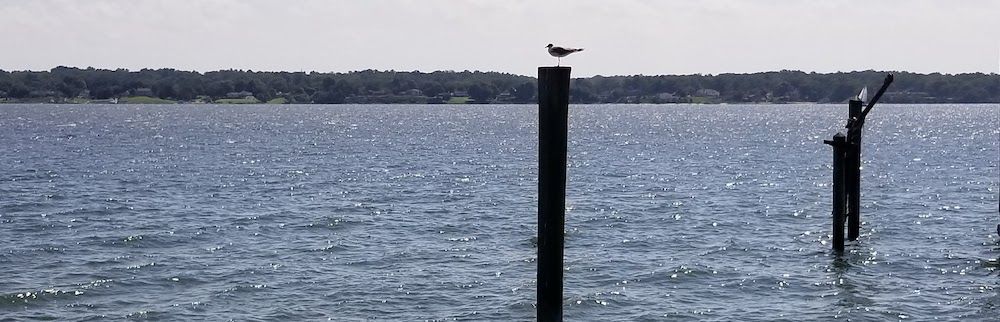
MARINE PILE INSTALLATION
Marine piles are an essential component of marine infrastructure projects such as ports, marinas, and offshore oil platforms. A marine pile is a long, cylindrical structure made of steel, concrete, or composite materials that is driven deep into the seabed to provide support for various marine structures. In this article, we will explore what marine piles do and why it is important to have marine piles installed by a professional.
According to the professionals at Ward's Marine, marine piles serve several critical functions in marine infrastructure projects. Firstly, they provide a stable foundation for structures that are built on water. The deep penetration of the piles ensures that the structures are supported by the firm substratum below the seabed. Secondly, marine piles provide vertical support for structures that are subjected to horizontal forces such as wind, waves, and tidal currents. Without piles, these structures could tilt or even collapse under the pressure of these forces.
MARINE PILE INSTALLATION
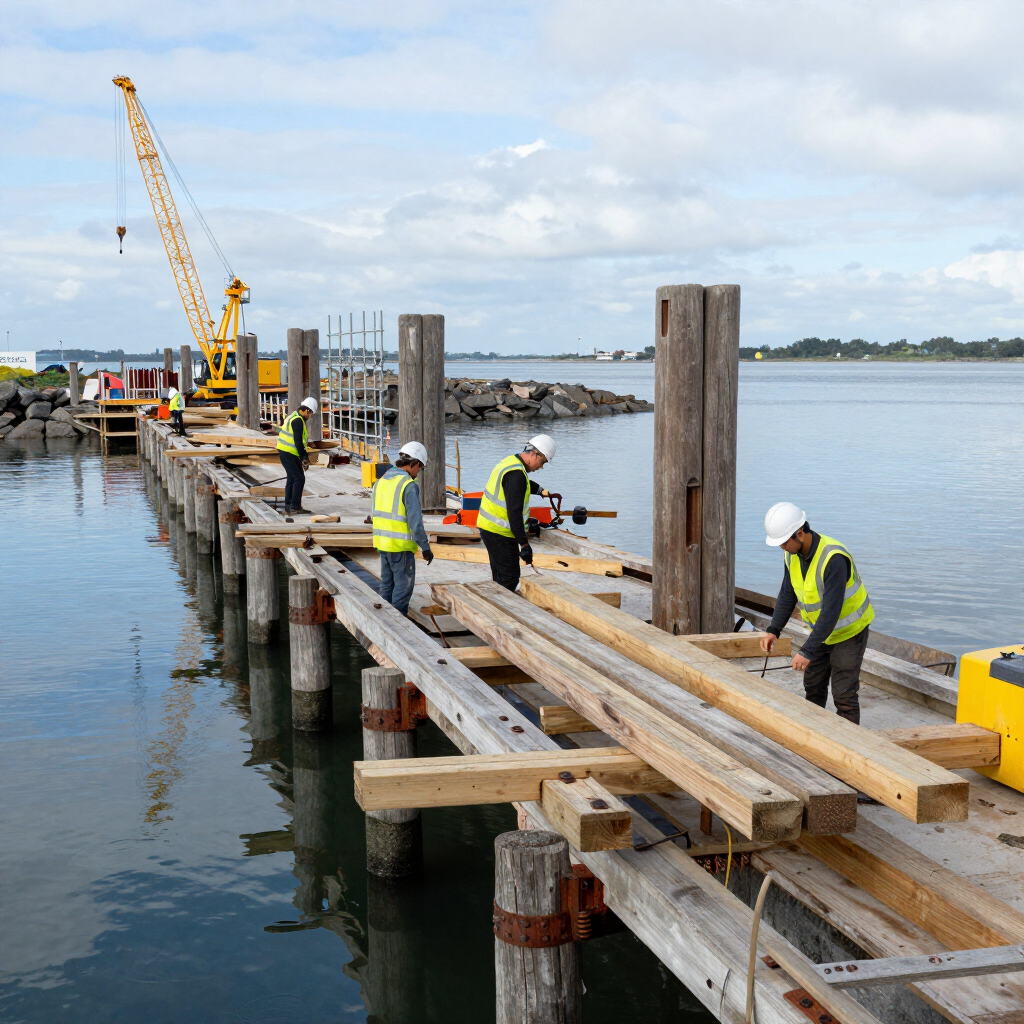
The installation of marine piles requires specialized equipment and skills. The process involves using a pile driver to drive the pile through the water and into the seabed. The pile driver uses a large hammer that strikes the top of the pile repeatedly, forcing it into the seabed. The installation process must be carefully planned and executed to ensure that the pile is installed in the correct position, at the correct depth, and at the correct angle. Any errors in the installation process can compromise the structural integrity of the marine infrastructure, leading to long-term problems that can only be rectified at a considerable cost.
There are several reasons why it is important to have marine piles installed by a professional. Firstly, marine construction projects involve complex engineering challenges that require precise planning and execution. Only professionals with specialized knowledge and experience in marine pile installation can ensure that the project is completed successfully. Secondly, marine pile installation is a dangerous process that requires strict adherence to safety protocols. Professionals are trained to spot potential hazards and take the necessary precautions to avoid accidents. Finally, marine pile installation is subject to strict environmental regulations that must be followed to avoid damaging the fragile marine ecosystem.
CHOOSING MARINE PROFESSIONALS TO GET THE JOB DONE
Choosing the right professionals for marine pile installation is crucial to the success of the project. The right professional will have the necessary expertise, equipment, and resources to ensure that the project is completed on time, within budget, and to the required standards. To choose the right professional, it is essential to look for a company with a strong track record of successfully completing similar projects, like Ward's Marine Inc. located in Southern Maryland. The company should also have the necessary certifications, licenses, and insurance to carry out marine construction work safely and legally.
In conclusion, marine piles are a critical component of marine infrastructure projects. Contact Ward's Marine for a consultation or estimate for your next project.
Frequently Asked Questions: Marine Piling Installation
What exactly is a marine pile?
A marine pile is a long, cylindrical structural element made of timber, steel, concrete, or composite materials. It is driven deep into the seabed or shoreline to provide a stable foundation for structures like piers, docks, boathouses, and bulkheads. Because they reach the firm substratum beneath the soft mud of the riverbed, they ensure your structure stays level and secure.
Why can't I just use standard pressure-treated lumber for pilings?
Marine pilings require a much higher level of chemical treatment (expressed as "pcf" or pounds per cubic foot) than standard deck lumber. Because they are constantly submerged and exposed to marine borers and rot, we use specialized marine-grade pilings specifically rated for saltwater and brackish environments to ensure they last for decades.
How are the pilings actually installed?
We use a specialized piece of equipment called a "pile driver." This involves using a heavy hammer—often mounted on one of our barges—to strike the top of the pile repeatedly. This force drives the pile through the soft silt and sand until it reaches "refusal," meaning it has hit a solid layer that can support the intended weight of your structure.
My neighbor had their "jetted" in. Is that the same as driving them?
"Jetting" uses high-pressure water to blast a hole in the sand for the pile to sit in. While this is sometimes used to assist the process, Ward’s Marine emphasizes properly driving piles. Driven piles are generally superior because the process compresses the soil around the pile, creating much higher skin friction and structural stability compared to a jetted hole
How deep do the pilings need to go?
The depth depends entirely on the "mud line" and the soil composition of your specific location. In some areas of the Patuxent or Potomac, we may find firm ground at 10 feet; in others, we may need to go 20 feet or deeper. Our team assesses the local geography to ensure every pile is driven to the correct depth for maximum load-bearing capacity.
Can you install pilings for foundation support on land?
Yes. In many Southern Maryland coastal areas, the soil near the water is too soft to support traditional home foundations or additions. We provide foundation piling services for land-based structures to prevent settling and structural cracking, ensuring your home is as stable as your pier.
Do I need a permit just for piling work?
Yes. Most marine construction in Maryland requires permits from the Maryland Department of the Environment (MDE) and often the Army Corps of Engineers. Whether you are replacing old, rotted piles or installing new ones for a boat lift, Ward's Marine handles the drafting and permitting process to ensure everything is compliant with local and federal regulations.
How do I know if my current pilings need to be replaced?
Look for the "hourglass" effect—where the pile has thinned significantly at the waterline due to waves and marine organisms. Other signs include leaning, "heaving" (where the pile appears to be lifting out of the water), or visible rot at the top. If your pier feels "bouncy" or looks unlevel, it’s likely a piling issue.
What areas do you serve?
We provide professional piling installation throughout Southern Maryland, including Calvert, Charles, and St. Mary’s Counties. We are fully equipped with barges and land-based machinery to service the Patuxent River, the Potomac River, and the Chesapeake Bay.
Why should I hire a professional like Ward’s Marine for this?
Piling installation is the most critical phase of marine construction; if the foundation fails, the entire structure fails. Ward’s Marine has the specialized heavy equipment, the required Maryland Marine Contractor licenses (MMCL #017), and over 40 years of local experience to ensure the job is done safely and correctly the first time.