
Winterizing Your Pier, Dock & Boat Lift in Southern Maryland
Once the boat comes out of the water in Southern Maryland, most waterfront owners stop thinking about the pier until spring. That is understandable, but it is also when a lot of avoidable damage happens. A hard freeze on the Patuxent, a nor'easter pushing water up the Potomac, or a few weeks of skim ice on a quiet creek in Calvert or St. Mary's County can loosen pilings, twist boat lift cradles, and turn a small repair into a big one.
The good news is that a little attention in November goes a long way. Below, the Ward's Marine team walks through what winter actually does to waterfront structures here on the Chesapeake, how to prepare your boat lift, and what to look for on your pier and bulkhead before the cold sets in.
1. What Winter Really Does to Piers and Docks on the Chesapeake
Southern Maryland does not freeze over every year, but it does not have to. The most common winter problems we see come from a combination of ice, wind-driven tides, and storms rather than one big deep freeze.
- Ice jacking: When ice forms around a piling and then rises with the tide, it grips the pile and pulls it upward a little at a time. Over a cold stretch, pilings can lift out of the bottom, leaving decking uneven and the structure weakened. Shallow, sheltered creeks and coves are especially prone to this.
- Moving ice: When a freeze breaks up, sheets of ice driven by wind and current can push against pilings, cross-bracing, and boat lifts with a surprising amount of force.
- Nor'easters and high water: Fall and winter storms can push tides well above normal on the Bay and its rivers. Water that tops a bulkhead or reaches the underside of a pier deck puts stress on fasteners, decking, and anything stored on the pier.
- Freeze-thaw cycles: Water that gets into cracks in concrete, split wood, or loose hardware expands when it freezes, making existing damage worse each cycle.
None of this means your pier is in danger every winter. It does mean that structures that are already loose, under-built, or overdue for maintenance are the ones that tend to fail first.
2. Preparing Your Boat Lift for Winter
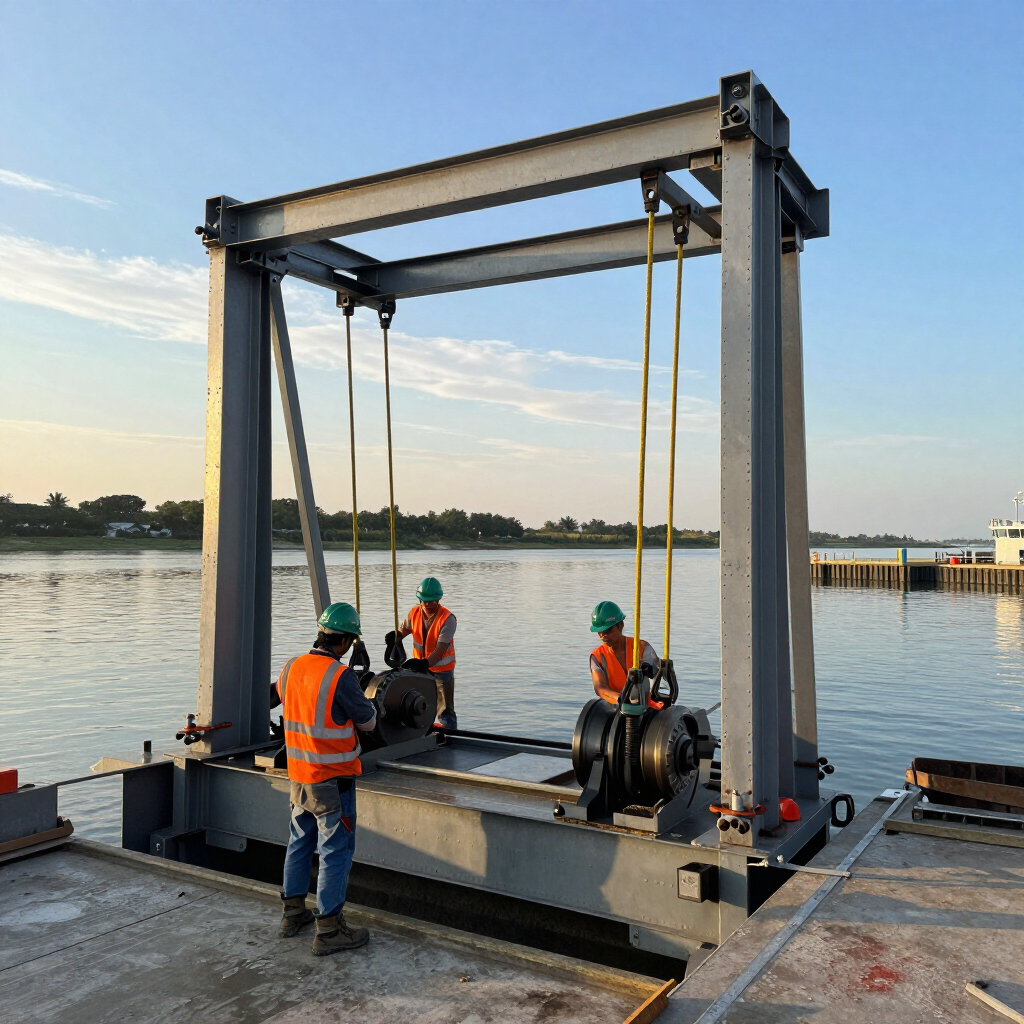
Boat lifts take more winter abuse than almost any other waterfront structure because they combine a frame, cables, and a motor right at the waterline. A few simple steps protect your investment:
- Get the boat off the lift. A boat left on a lift all winter adds weight and wind load during storms, and any ice that forms on it adds even more.
- Raise the cradle above storm-tide and ice level. Leaving bunks and cradles sitting in the water exposes them to ice. Raising them clear of the water, while still following the manufacturer's guidance, keeps them out of harm's way.
- Inspect the cables and pulleys. Look for frayed strands, kinks, rust, and worn sheaves. Cables are far easier and cheaper to replace in the off-season than after one fails.
- Protect the motor and electrical. Turn off power at the breaker if the lift will not be used, and make sure motor covers are secure and switch boxes are sealed against moisture.
- Check the mounting. Loose bolts or shifting where the lift attaches to the pilings is an early warning sign that the pilings themselves may need attention.
If you are planning a new lift or replacing an old one, our guide to building a boat lift in Leonardtown, MD covers lift types and permitting in more detail.

3. Your Pre-Winter Pier and Dock Checklist
Take a slow walk down your pier on a calm day in November and look for the following. Most of these take a few minutes to spot, and catching them now gives you time to schedule repairs before spring demand picks up.
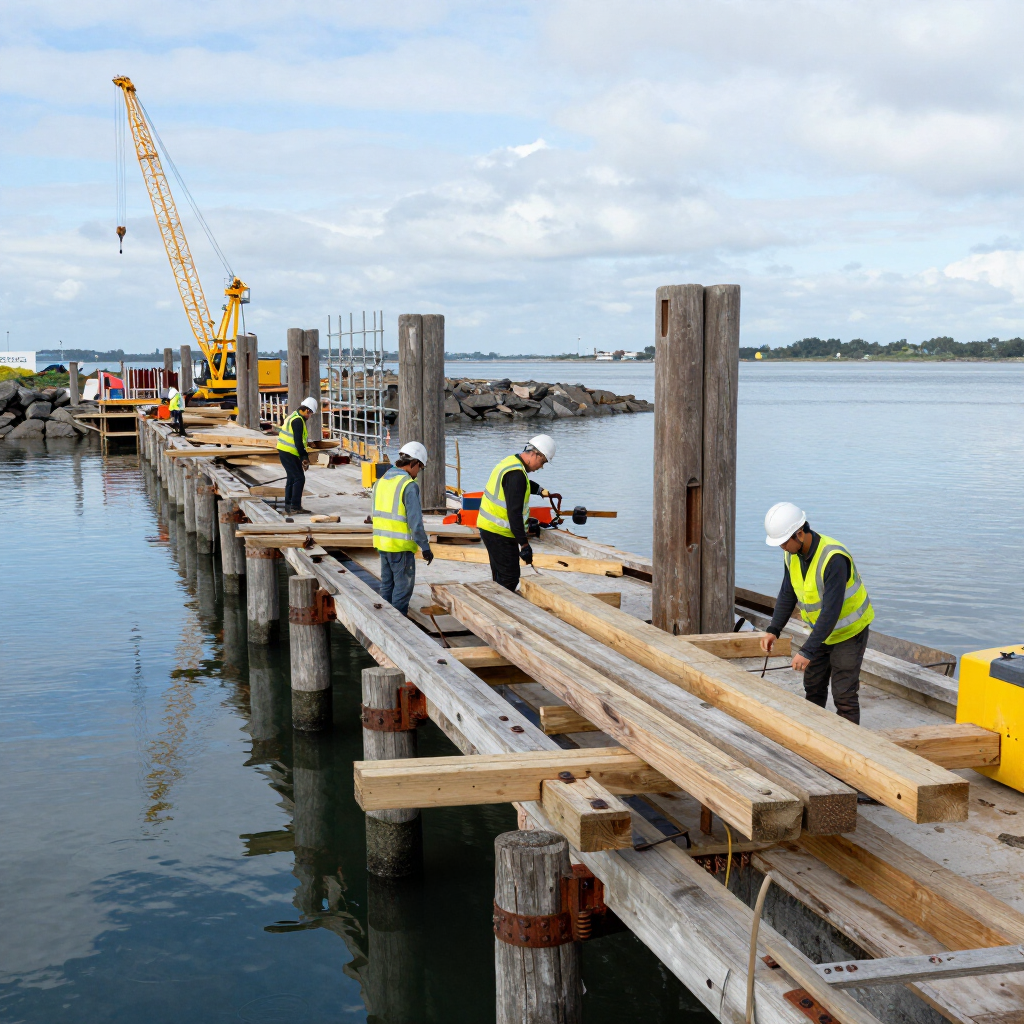
- Pilings: Look for pilings that are leaning, sitting higher than their neighbors, or showing heavy wear, marine borer damage, or rot at the waterline.
- Decking: Note soft, cracked, or raised boards and any popped fasteners. Uneven decking can be a sign that pilings below have shifted.
- Hardware: Check bolts, brackets, and through-bolts for corrosion or looseness, especially where stringers meet pilings.
- Floating docks: Make sure floats are secured and that connection hardware and gangway hinges are in good shape. In exposed or ice-prone spots, ask whether your floating sections should be pulled out or specially secured.
- Loose items: Remove or tie down benches, dock boxes, ladders, and anything that can blow away or get washed off during a storm.
If you find several of these issues on an older structure, it may be time to weigh repair against rebuilding. Our article on pier reconstruction explains how we help owners make that call.
4. Don't Forget the Bulkhead and Shoreline
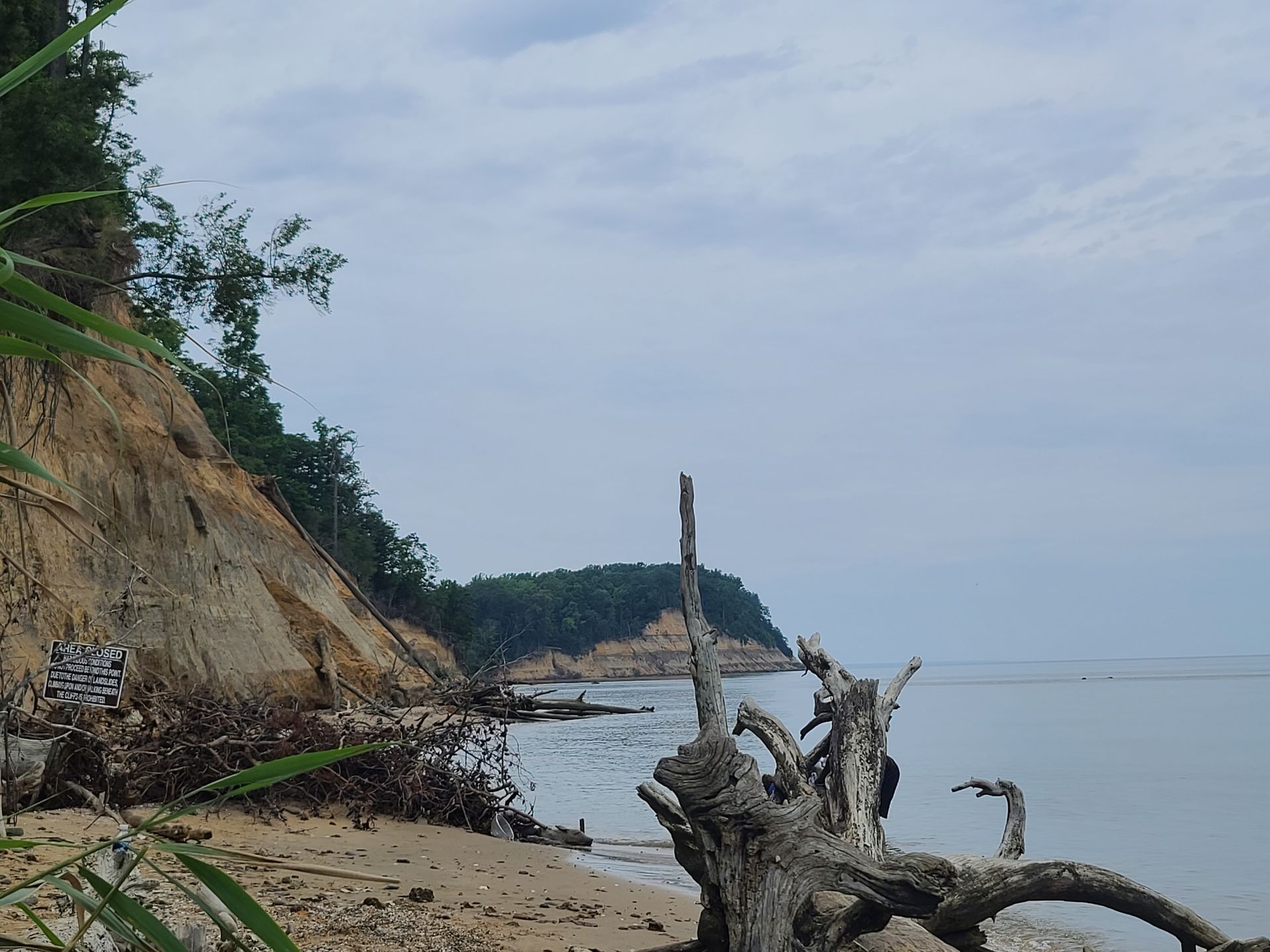
Winter storms are hard on shorelines, too. Before the season turns, walk your bulkhead or revetment and look for gaps between boards, soil washing out from behind the wall, sinkholes or depressions in the yard just behind the bulkhead, and leaning or bowed sections. On rip rap and living shorelines, look for stones that have shifted or areas where the bank is starting to undercut.
Soil loss behind a bulkhead is especially important to catch early. Once water starts moving fill out through gaps, each high tide and storm makes it worse. If your bulkhead is nearing the end of its life, our comparison of living shorelines vs. bulkheads is a good place to start thinking about what comes next.
5. When to Call a Marine Contractor
Some things are fine to keep an eye on. Others should not wait until spring. Call a professional if you notice any of the following:
- A piling that has visibly lifted, leaned, or separated from the structure
- A section of pier that sags, sways, or moves when you walk on it
- Boat lift cables that are frayed or a lift frame that has shifted on its pilings
- Active soil loss, holes, or collapse behind a bulkhead
- Any storm damage after a nor'easter or a hard freeze breaks up
Late fall and winter are also a smart time to get repairs on the calendar. Waterfront contractors in Southern Maryland book up quickly once the weather warms, and many projects need permits that take time to process. Starting the conversation now puts you ahead of the spring rush. For quick fixes, see our post on dock repair in Southern Maryland.
Frequently Asked Questions
Should I leave my boat on the lift over the winter?
It is generally best to remove the boat for the winter. A boat on the lift adds weight and wind exposure during storms, and ice or snow on the boat adds even more load to the lift and pilings.
What is ice jacking?
Ice jacking happens when ice freezes around a piling and then rises with the tide, pulling the piling upward. Repeated over several days, it can lift pilings out of the bottom and leave a pier uneven or unstable.
Does Southern Maryland get enough ice to damage a pier?
Not every winter, but cold snaps do freeze sheltered creeks, coves, and the upper reaches of local rivers. Even a short freeze can cause ice jacking or moving-ice damage on structures that are already loose or aging.
Can pier and bulkhead repairs be done in the winter?
Many repairs can be done in the colder months, depending on weather, the type of work, and any permit conditions. Winter is also a good time to plan and permit larger projects so they are ready to build in the spring.
Who repairs piers and boat lifts in Calvert, St. Mary's, and Charles County?
Ward's Marine, based in Solomons, MD, repairs and builds piers, docks, boat lifts, and bulkheads throughout Southern Maryland, including the Patuxent River, Potomac River, and Chesapeake Bay shorelines.
Get Your Waterfront Ready for Winter
A few minutes of inspection this month can save you from a costly repair in March. If you spot loose pilings, a struggling boat lift, or a bulkhead that is losing ground, the Ward's Marine team can take a look and tell you what needs attention now and what can wait.
Contact Ward's Marine to schedule an inspection or get a quote on pier, boat lift, or bulkhead repairs anywhere in Calvert, St. Mary's, or Charles County.